
A Few Words
About Us
Welcome
Pamoja Green Consult Limited is a Tanzania-based climate and sustainability company committed to restoring ecosystems and strengthening local economies. We believe that lasting climate solutions are built through partnership, integrity, and respect for both people and nature. Our work combines scientific evidence with local knowledge to deliver solutions that create long-term environmental and economic value.
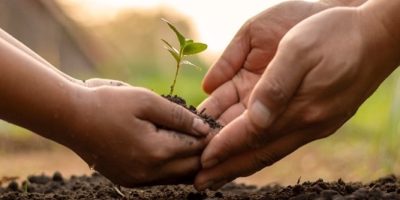

Science-Based & Community-Driven Solutions
Our work is guided by scientific evidence, local knowledge, and strong partnerships with communities and stakeholders. We focus on practical, locally appropriate solutions that restore ecosystems, strengthen livelihoods, and deliver measurable environmental impact while respecting both people and nature. Through collaboration, transparency, and long-term thinking, we aim to support sustainable development that benefits both present and future generations.
Vision
To be a lead hub that is uniting, inspiring and empowering individuals, communities and organizations with climate action solutions that promote good health, happiness and sustainable lifestyles towards zero carbon future.
Mission
To improve people’s quality of life and the environment through active and well-informed actions and decisions, and climate solutions, that promotes well-being of the communities, and their sustainable lifestyles for a net zero carbon future.
Objective
(i) Promoting regenerative organic climate-smart farming solutions for healthy soils, improved yields and profitable farming.
(ii) Enhancing community participation in the delivery of climate action based clean energy solutions for cooking, lighting, transportation and communication.
(iii) Promoting carbon trading by working with key partners and stakeholders to encourage communities to apply necessary skills and technologies to remove carbon from the atmosphere by applying nature-based solutions like agroforestry and other similar models which remove or reduce and sequester carbon dioxide into their soils and plants, as well as support village governments earn carbon credits from their village forest reserves.